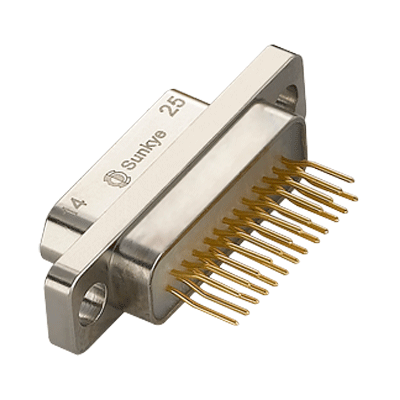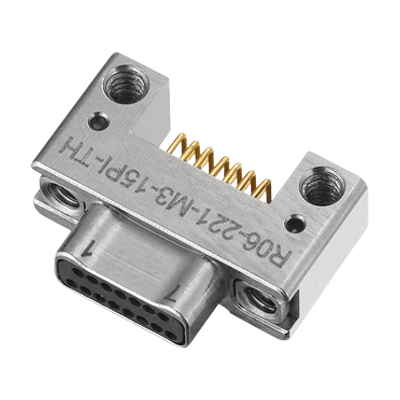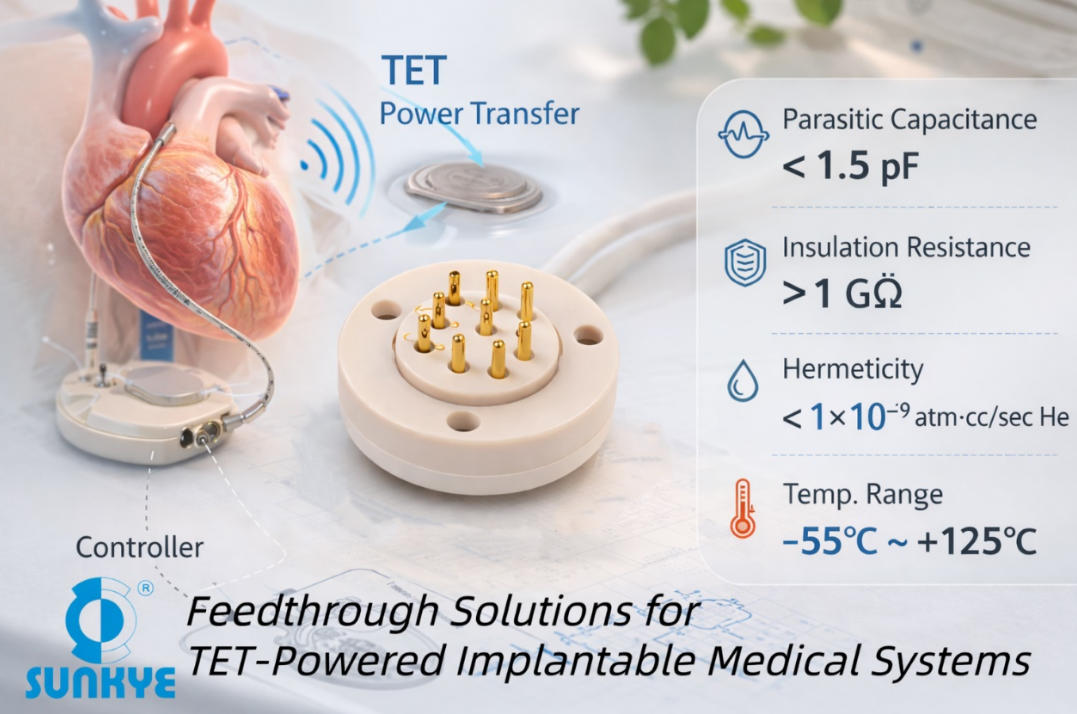
TET Changes the Architecture,Sunkye, we design feedthroughs specifically for TET-powered, fully implantable controllers.
Transcutaneous Energy Transfer (TET) is often described as “wireless power.” In reality, TET doesn’t remove internal wiring.
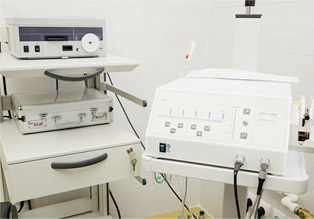
In modern fully implantable medical systems (e.g. cardiac support platforms), TET supplies energy to an internal therapy controller, not directly to the pump. From there, power and sensing signals are distributed internally via cables.
Instead of delivering power through a physical cable crossing the skin, energy is transferred wirelessly via coupled coils, significantly reducing infection risk and improving patient quality of life.
However, even with wireless energy transfer, implantable pumps and controllers still rely on internal electrical connections to maintain signal integrity, sensing accuracy, and overall system reliability.
Why Feedthroughs Are Still Critical?
The controller that manages the therapy must be housed within a hermetic metallic enclosure, protecting sensitive electronics from body fluids for many years of implantation.
Every electrical interface entering this sealed housing—whether power cables, sensing leads, or communication lines—must pass through a hermetic feedthrough.
In many cardiac support architectures, the pump itself functions primarily as a controlled actuator. Control electronics and energy storage are centralized in the implantable controller, while the pump typically does not contain a sealed electronic chamber.
As a result, feedthrough interfaces are usually concentrated at the controller enclosure. This architectural choice simplifies the pump design, improves system reliability, and localizes hermetic sealing challenges to a single module.
Although TET eliminates the percutaneous driveline, it introduces a new electromagnetic environment. TET systems operate using high-frequency alternating magnetic fields generated by coupled coils positioned near the implanted controller. Even though power transfer is wireless, these electromagnetic fields exist in close proximity to the hermetic enclosure. As a result, feedthrough design must carefully address several challenges: minimizing parasitic capacitance, preventing unintended coupling between channels, and reducing high-frequency leakage into sensitive sensing lines
These factors are critical in systems that combine power delivery, sensing, and communication signals within a compact implantable controller.
How we approach this at Sunkye?
At Sunkye, we design feedthroughs specifically for TET-powered, fully implantable controllers, focusing on:
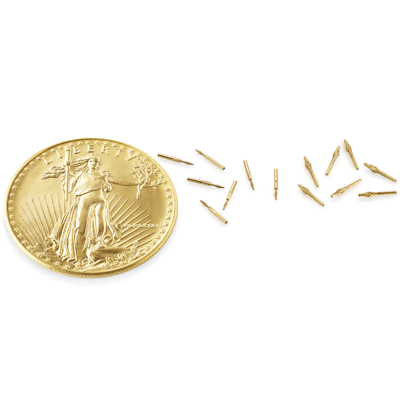
· Ultra-low parasitic capacitance structures
· High insulation resistance for mixed signal environments
· CTE-matched metal/ceramic assemblies for long-term stability
· Custom pin layouts for power + sensing hybrids
· High-performance ceramic-to-metal sealing
· Long-term hermeticity under physiological conditions
In TET systems, feedthroughs don’t just pass signals — they protect the entire architecture.
At Sunkye, our feedthrough designs are aligned with this shift.

 English
  日本語
日本語  한국어
한국어  français
  Deutsch
  Español
  italiano
  русский
  Türkçe
  Svenska
  Nederland
  فارسی
فارسی فارسی
فارسی