Inflow Control Valve (ICV) Reliability Challenges under HPHT and Corrosive Environments — A Connector-Centric Perspective
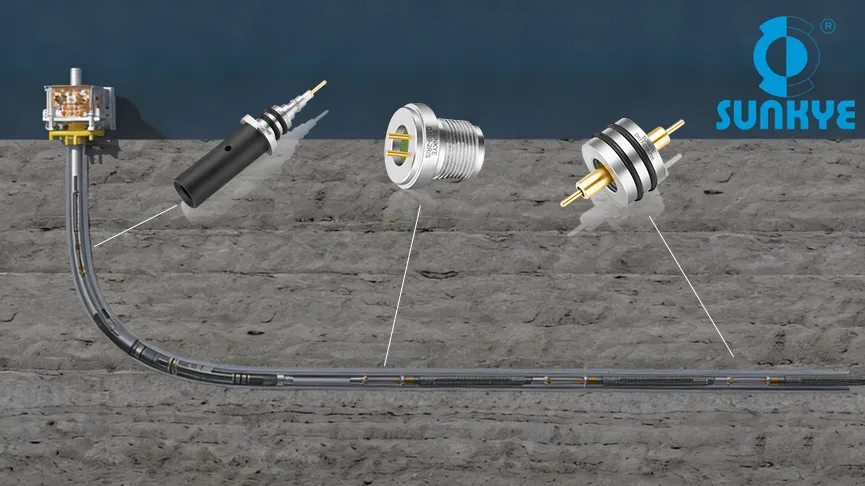
When drilling a new well encounters an unexpected Gas-Water Contact (GWC), the deployment of Interval Control Valves (ICVs) can accelerate the implementation of revised deepwater completion strategies. Installed along the production tubing, ICVs allow operators to remotely regulate or shut off flow from specific zones without costly downhole interventions, enabling zonal isolation and controlled production.
ICVs do not operate as standalone mechanical devices. They are key actuators within an Intelligent Completion System, where their performance depends on the coordination between real-time downhole monitoring and surface control commands.
Under high temperature, high pressure, and corrosive conditions, the long-term stability of ICV systems is influenced by multiple interacting factors, including:
· Mechanical and erosion-related damage
· Control line and power transmission failure
· Seal and integrity failure
· Sensor and electronic component malfunction
Pressure fluctuations can accelerate the development of micro-leakage at sealing interfaces, while the combined effects of corrosion and stress degrade material integrity over time, increasing the risk of system-level failure.
From a system perspective, failures are not uniformly distributed. Instead, they tend to concentrate at multi-physics coupling interfaces. Connectors, which are simultaneously exposed to mechanical loads, pressure differentials, and corrosive media, represent one of these critical points. Their sealing design and material performance have a strong influence on overall system reliability.
This article focuses on two primary design drivers: pressure balancing and material corrosion resistance.
1. Pressure Balancing
· Glass-to-Metal Seals (GTMS)
At the contact pin interface, specialized glass is fused to metal at high temperature. By matching the coefficients of thermal expansion, a chemical bond is formed between the materials.
Advantage: GTMS provides a rigid and hermetic barrier. Even if the primary pressure compensation system is compromised, it can act as a secondary defense against high-pressure gas ingress into sensitive electrical components.
· Redundant Sealing Systems
A combination of dual O-rings with back-up rings is commonly used. Back-up rings, often made from PEEK, help prevent extrusion of elastomer seals under high pressure.
2. Corrosion and Chemical Resistance
Material selection is critical in environments containing H₂S, CO₂, and chlorides.
· Metal Materials — Sulfide Resistance
Conventional stainless steels may suffer from stress corrosion cracking (SCC) under high temperature and high H₂S conditions.
Preferred materials: High nickel-based alloys such as Inconel 718 or Hastelloy.
These materials form stable passive oxide layers that improve resistance to pitting and hydrogen embrittlement.
· Non-Metal Materials — RGD/AED Resistance
In high-pressure gas environments, gases can permeate into elastomer materials. During rapid decompression, internal gas expansion may cause blistering or cracking of seals (Rapid Gas Decompression / Explosive Decompression).
Recommendation: Use sealing materials qualified to standards such as NORSOK M-710, for example high-grade FFKM compounds designed for RGD resistance.
In the oil and gas sector, Sunkye provides customized connector solutions designed for harsh environments, including high-temperature, high-pressure, and hermetically sealed configurations.
Sunkye's High Temperature & High Pressure Connectors Specification :
Shell Material | Inconel 718, PEEK, etc. |
Dielectric Withstanding Voltage | 1000VDC, 60s, leak current ≤5mA |
Rated Current | 3A continuous current |
Temperature Range | -55℃ to +200℃ |
Temperature Shock | -55℃ to +200℃ , 15 cycles, the temperature switching time is ≤ 15min |
Air Leak | Helium Leak Test ≤ 1×10⁻³Pa.cm3/s |
Random Vibration | 10Hz-2000Hz, 0.3G2/Hz, acceleration 20G, 200℃. 4h on direction X, Y, Z. |
Shock | 490m2/s, 11ms |
Operating Pressure | 0 MPa to 170 MPa |
Under HPHT and corrosive conditions, the long-term performance of ICV systems is generally influenced by how pressure management and material selection are balanced. At the connector level, improvements in pressure compensation, sealing integrity, and corrosion resistance can help reduce the likelihood of common failure modes.
As operations move toward deeper water and more complex reservoirs, these technologies continue to evolve — including more efficient pressure-balanced designs, enhanced sealing solutions, and improved material systems. Connectors, as key interface components, are increasingly being designed with a stronger focus on system-level reliability.
Popular Searches
Sunkye Connection Technologies provides a wide product portfolio with a complete interconnect solutions offering. Sunkye connectors and cables assemblies are complementary with Sunkye backshells and conduits.


 Jul 18, 2020
The Basic Structure of the Connector
Oct 07, 2020
How to Distinguish FFC Connector and FPC Connector
Feb 07, 2020
The Rapidly Growing Market For Medical Connectors
Jul 17, 2024
MEET SUNKYE AT ONS 2024
Nov 23, 2022
Hermetic Connectors for Implantable Medical Devices
Feb 13, 2020
Connection Between Brain And Machine
Sep 25, 2020
Related Knowledge of SMA RF Connector
Dec 14, 2019
Naming Of Connectors
Sep 08, 2022
How Does Environment Temperature Affect Connectors?
Nov 04, 2019
How Military Connectors Work
Jan 22, 2020
Differences Between Connector And Terminal
Nov 01, 2019
Five Common Features of USB Connector
Sep 12, 2019
Reliable Connectors Are the Secret of UAV Success
Oct 06, 2020
Description of Pogo Pin Connectors
Dec 22, 2024
Specialty Gas Connectors for Niche Applications
Sep 04, 2019
Market Profile of Micro PCB Connectors
Nov 17, 2020
Selection Factors for SMA Connectors
Sep 14, 2019
Miniaturization Trend of Mil Connectors
Oct 10, 2019
Types and Advantages of D-sub Connectors
Mar 20, 2020
Connector Quality Test Type
Nov 11, 2019
Brief Introduction Of Automobile Connector
May 31, 2019
SUNKYE will Release Type C Project on October
Dec 08, 2019
Connection Methods Of The Connector
Jul 08, 2021
Structural Analysis of Aerospace Connector
Apr 22, 2020
Production Process of Connector Contacts
May 04, 2020
Automotive Connectors
Sep 06, 2019
Polytetrafluoroethylene-PTFE
Nov 10, 2020
Applications and Characteristics of BNC Connectors
Jan 25, 2020
Four Types Of Industrial Electrical Connectors
Sep 28, 2021
Correct Use and Safety of Avionics Connectors
Jul 06, 2020
Manual Assembly of Connectors (2)
Jan 04, 2021
The Structure and Material of Connectors
Dec 08, 2020
Some Knowledge about RJ45 Connector
Nov 17, 2022
Robotic Arm Works 7*24 in Manufacturing
May 31, 2019
TWIST PIN: THE LIGHTSPOT OF SUNKYE
Jul 09, 2020
The Importance of Connectors in Medical Equipment
Feb 10, 2020
The Function And Prospect Of Medical Connector
Apr 07, 2020
Market Status of Miniature Connectors
Jan 03, 2024
Connector — A Big Player in Your Supply Chain
Jan 01, 2020
Development Trend Of Automobile Connector In China
Oct 02, 2023
MEET SUNKYE AT ADIPEC 2023 FAIR
Jul 30, 2019
Market Status of Micro Connectors
May 31, 2019
Features of Type C
Jan 16, 2020
Brief Introduction Of Strip Connector
Sep 13, 2020
Fusion of Connectors and Sensors
Nov 14, 2019
How To Choose The Right Connector
May 10, 2020
Reliability of Aerospace Electrical Connectors (1)
May 31, 2019
Sunkye Super Pin Connector
Oct 01, 2020
Structure and Material of Waterproof Connector
May 13, 2020
Reliability of Aerospace Electrical Connectors (2)
Nov 24, 2019
The Connector Applications Are Everywhere
Sep 21, 2021
Connection Mode and Purchase of Aerospace Connector
Jul 21, 2020
What is a Military Specification Circular Connector?
Jan 04, 2023
Four Connection Methods of Circular Connectors
Oct 13, 2020
Various Coaxial Connectors
Nov 29, 2019
Importance Of Connectors
Aug 19, 2024
Can a Connector Withstand Temperatures Up to 500°C?
Oct 30, 2019
D Sub Connector Introduction
Jun 01, 2021
Functions and Advantages of Electrical Connectors
Nov 10, 2019
The Future Trend Of Automobile Connector
Jun 25, 2019
Sunkye Super Pin Datasheet
Sep 20, 2019
Strictness of Military/Aerospace Specifications
Nov 01, 2021
Meet Sunkye at SEDEC 2020 Fair!
Nov 05, 2019
Wearable Connectors Tend to be Miniaturization
Dec 01, 2021
Connectors' Revolution of 1000km off The Earth
Jan 07, 2020
The Performance Of Automobile Connector
Jun 12, 2020
7 Tips for Connector Design (1)
Oct 13, 2023
Several Design Ideas for Electronic Connectors
Mar 25, 2026
MEET SUNKYE AT NEFTEGAZ 2026
Dec 02, 2019
Basic Structural Member Of Connector
Dec 17, 2019
Interconnection Level Of Connector
Jan 11, 2021
How to Select Connectors for Hardware Design
Aug 02, 2020
Electrical Performance of Connector
Jun 18, 2020
Application of Military Electrical Connectors (1)
Jun 24, 2020
Application of Military Electrical Connectors (3)
Jan 13, 2020
Overall Performance Parameters Of Connector
Apr 13, 2020
Why is a Poor Connector Prone to Fire?
Oct 31, 2019
The Introduction Of SMT
Jul 17, 2020
Sunkye Market Matrix
Nov 10, 2020
The Manufacturing Process of Electronic Connectors
Jul 15, 2020
Classification of Connectors
Aug 01, 2022
Connectors Make Sensors Work Well on Equipment
Oct 20, 2020
The Failure Mechanism of Connectors
May 31, 2019
Sunkye at Expo Electronica 2014, Moscow
Nov 09, 2019
Introduction To Connector Knowledge
Dec 22, 2020
The Transient Interruption Detection of Connectors
Dec 05, 2019
Disassembly Tools For Automotive Connectors
Sep 19, 2020
The Necessity of Waterproof Connectors
Dec 26, 2019
How To Classify Industrial Connectors
Dec 29, 2019
Material Of Automotive Connectors
Aug 03, 2019
Connector D Type
Apr 28, 2020
How to Detect Medical Connectors
Oct 25, 2024
Harnessing Wind Energy: Sustainable Power Solutions
May 31, 2019
Sunkye Type C 10Gbps Test on April
Sep 26, 2019
Market Status of Micro Miniature Connectors
Jan 23, 2026
Building the Backbone of Deep Sea Sensing
Oct 13, 2020
Selection Factors of RF Connectors
Sep 28, 2019
Development Trend of Miniature Connectors Technology
Nov 12, 2019
Production Technology of Connector
Jan 28, 2020
The Connector Industry Is Booming
Nov 06, 2019
Connector Classification
Aug 02, 2021
Introduction to Vehicle Connectors
May 27, 2021
The Importance of Connectors in Electrical Equipment
Nov 03, 2019
Some Solutions For Poor Terminal Pressing
Nov 17, 2023
Future Development Trends of Circular Connectors
Jun 15, 2020
7 Tips for Connector Design (2)
Aug 04, 2026
Why Contact Stability Matters in Subsea Connectors
Dec 01, 2020
How to Improve the Reliability of RF Connectors
Feb 08, 2021
Four Attention Points in Using Power Connectors
Jan 31, 2020
The Development Of D-sub Connectors
Nov 15, 2019
How To Make High-Quality Connector
Jun 05, 2026
The Gap between Testing and Real-World Use
Feb 25, 2020
How to Choose the Right Medical Connector
Dec 23, 2019
Technical Principles Of Connectors
Jan 19, 2020
Brief Introduction Of Flat Cable Connector
Mar 29, 2020
Demand for Heavy Truck Connectors Increases
May 31, 2019
Everything You Need to Know: Type C
Sep 18, 2019
Definition of Mil Standard Connector
Nov 08, 2019
Miniaturization Development Technology Of Connector
Dec 11, 2019
The Main Classification Of Crimp Connection
Nov 03, 2020
The Guide for Selecting Electrical Connectors
Sep 08, 2019
What are Avionics Connectors?
Apr 25, 2020
The Second Generation Circular Military Connector
Jun 27, 2020
Crimping and Welding of Military Connectors
Sep 24, 2019
Notes for Welding D Type Connector
May 31, 2019
Sunkye Will Postpone the Release of USB 3.1 Type C
Dec 18, 2025
How to Survive During the Low Earth Orbit (LEO)?
Oct 18, 2022
Hermetic Connectors for Implantable Medical Devices
Aug 09, 2021
What Are High Density Connectors?
Sep 02, 2019
Four Processes of Producing Connectors
Aug 09, 2019
Development of Micro Connector
Jun 06, 2019
Alloy 52 UNS N14052 Material Report
Aug 07, 2019
A Revolution in Connector Technology
Apr 04, 2020
The Material of the Connector
Jul 12, 2020
Introduction to the Connector
Aug 15, 2023
Extreme Conditions Bring up Hermetic Connectors
Jul 03, 2020
Manual Assembly of Connectors (1)
Oct 06, 2019
How Military Spec Connectors Work
Jun 21, 2020
Application of Military Electrical Connectors (2)
Jul 15, 2026
Why Pressure Cycling Causes Subsea Connector Failure
Mar 08, 2020
Sunkye: Safety, Innovation, Reliability
Feb 19, 2020
Reliability of Aerospace Electrical Connectors
Jan 25, 2021
The Analysis of Connector Electroplating Problems
Feb 15, 2021
The Power Capacity of RF Coaxial Connectors
Apr 01, 2020
Connectors for Special Applications
Aug 12, 2026
MEET SUNKYE AT ONS 2026
Jan 18, 2021
Knowledge of FPC Connectors
Nov 02, 2021
MEET SUNKYE AT SAHA EXPO 2021 FAIR!
Oct 19, 2021
Subsea Connector needs a new revolution
Jul 18, 2020
The Basic Structure of the Connector
Oct 07, 2020
How to Distinguish FFC Connector and FPC Connector
Feb 07, 2020
The Rapidly Growing Market For Medical Connectors
Jul 17, 2024
MEET SUNKYE AT ONS 2024
Nov 23, 2022
Hermetic Connectors for Implantable Medical Devices
Feb 13, 2020
Connection Between Brain And Machine
Sep 25, 2020
Related Knowledge of SMA RF Connector
Dec 14, 2019
Naming Of Connectors
Sep 08, 2022
How Does Environment Temperature Affect Connectors?
Nov 04, 2019
How Military Connectors Work
Jan 22, 2020
Differences Between Connector And Terminal
Nov 01, 2019
Five Common Features of USB Connector
Sep 12, 2019
Reliable Connectors Are the Secret of UAV Success
Oct 06, 2020
Description of Pogo Pin Connectors
Dec 22, 2024
Specialty Gas Connectors for Niche Applications
Sep 04, 2019
Market Profile of Micro PCB Connectors
Nov 17, 2020
Selection Factors for SMA Connectors
Sep 14, 2019
Miniaturization Trend of Mil Connectors
Oct 10, 2019
Types and Advantages of D-sub Connectors
Mar 20, 2020
Connector Quality Test Type
Nov 11, 2019
Brief Introduction Of Automobile Connector
May 31, 2019
SUNKYE will Release Type C Project on October
Dec 08, 2019
Connection Methods Of The Connector
Jul 08, 2021
Structural Analysis of Aerospace Connector
Apr 22, 2020
Production Process of Connector Contacts
May 04, 2020
Automotive Connectors
Sep 06, 2019
Polytetrafluoroethylene-PTFE
Nov 10, 2020
Applications and Characteristics of BNC Connectors
Jan 25, 2020
Four Types Of Industrial Electrical Connectors
Sep 28, 2021
Correct Use and Safety of Avionics Connectors
Jul 06, 2020
Manual Assembly of Connectors (2)
Jan 04, 2021
The Structure and Material of Connectors
Dec 08, 2020
Some Knowledge about RJ45 Connector
Nov 17, 2022
Robotic Arm Works 7*24 in Manufacturing
May 31, 2019
TWIST PIN: THE LIGHTSPOT OF SUNKYE
Jul 09, 2020
The Importance of Connectors in Medical Equipment
Feb 10, 2020
The Function And Prospect Of Medical Connector
Apr 07, 2020
Market Status of Miniature Connectors
Jan 03, 2024
Connector — A Big Player in Your Supply Chain
Jan 01, 2020
Development Trend Of Automobile Connector In China
Oct 02, 2023
MEET SUNKYE AT ADIPEC 2023 FAIR
Jul 30, 2019
Market Status of Micro Connectors
May 31, 2019
Features of Type C
Jan 16, 2020
Brief Introduction Of Strip Connector
Sep 13, 2020
Fusion of Connectors and Sensors
Nov 14, 2019
How To Choose The Right Connector
May 10, 2020
Reliability of Aerospace Electrical Connectors (1)
May 31, 2019
Sunkye Super Pin Connector
Oct 01, 2020
Structure and Material of Waterproof Connector
May 13, 2020
Reliability of Aerospace Electrical Connectors (2)
Nov 24, 2019
The Connector Applications Are Everywhere
Sep 21, 2021
Connection Mode and Purchase of Aerospace Connector
Jul 21, 2020
What is a Military Specification Circular Connector?
Jan 04, 2023
Four Connection Methods of Circular Connectors
Oct 13, 2020
Various Coaxial Connectors
Nov 29, 2019
Importance Of Connectors
Aug 19, 2024
Can a Connector Withstand Temperatures Up to 500°C?
Oct 30, 2019
D Sub Connector Introduction
Jun 01, 2021
Functions and Advantages of Electrical Connectors
Nov 10, 2019
The Future Trend Of Automobile Connector
Jun 25, 2019
Sunkye Super Pin Datasheet
Sep 20, 2019
Strictness of Military/Aerospace Specifications
Nov 01, 2021
Meet Sunkye at SEDEC 2020 Fair!
Nov 05, 2019
Wearable Connectors Tend to be Miniaturization
Dec 01, 2021
Connectors' Revolution of 1000km off The Earth
Jan 07, 2020
The Performance Of Automobile Connector
Jun 12, 2020
7 Tips for Connector Design (1)
Oct 13, 2023
Several Design Ideas for Electronic Connectors
Mar 25, 2026
MEET SUNKYE AT NEFTEGAZ 2026
Dec 02, 2019
Basic Structural Member Of Connector
Dec 17, 2019
Interconnection Level Of Connector
Jan 11, 2021
How to Select Connectors for Hardware Design
Aug 02, 2020
Electrical Performance of Connector
Jun 18, 2020
Application of Military Electrical Connectors (1)
Jun 24, 2020
Application of Military Electrical Connectors (3)
Jan 13, 2020
Overall Performance Parameters Of Connector
Apr 13, 2020
Why is a Poor Connector Prone to Fire?
Oct 31, 2019
The Introduction Of SMT
Jul 17, 2020
Sunkye Market Matrix
Nov 10, 2020
The Manufacturing Process of Electronic Connectors
Jul 15, 2020
Classification of Connectors
Aug 01, 2022
Connectors Make Sensors Work Well on Equipment
Oct 20, 2020
The Failure Mechanism of Connectors
May 31, 2019
Sunkye at Expo Electronica 2014, Moscow
Nov 09, 2019
Introduction To Connector Knowledge
Dec 22, 2020
The Transient Interruption Detection of Connectors
Dec 05, 2019
Disassembly Tools For Automotive Connectors
Sep 19, 2020
The Necessity of Waterproof Connectors
Dec 26, 2019
How To Classify Industrial Connectors
Dec 29, 2019
Material Of Automotive Connectors
Aug 03, 2019
Connector D Type
Apr 28, 2020
How to Detect Medical Connectors
Oct 25, 2024
Harnessing Wind Energy: Sustainable Power Solutions
May 31, 2019
Sunkye Type C 10Gbps Test on April
Sep 26, 2019
Market Status of Micro Miniature Connectors
Jan 23, 2026
Building the Backbone of Deep Sea Sensing
Oct 13, 2020
Selection Factors of RF Connectors
Sep 28, 2019
Development Trend of Miniature Connectors Technology
Nov 12, 2019
Production Technology of Connector
Jan 28, 2020
The Connector Industry Is Booming
Nov 06, 2019
Connector Classification
Aug 02, 2021
Introduction to Vehicle Connectors
May 27, 2021
The Importance of Connectors in Electrical Equipment
Nov 03, 2019
Some Solutions For Poor Terminal Pressing
Nov 17, 2023
Future Development Trends of Circular Connectors
Jun 15, 2020
7 Tips for Connector Design (2)
Aug 04, 2026
Why Contact Stability Matters in Subsea Connectors
Dec 01, 2020
How to Improve the Reliability of RF Connectors
Feb 08, 2021
Four Attention Points in Using Power Connectors
Jan 31, 2020
The Development Of D-sub Connectors
Nov 15, 2019
How To Make High-Quality Connector
Jun 05, 2026
The Gap between Testing and Real-World Use
Feb 25, 2020
How to Choose the Right Medical Connector
Dec 23, 2019
Technical Principles Of Connectors
Jan 19, 2020
Brief Introduction Of Flat Cable Connector
Mar 29, 2020
Demand for Heavy Truck Connectors Increases
May 31, 2019
Everything You Need to Know: Type C
Sep 18, 2019
Definition of Mil Standard Connector
Nov 08, 2019
Miniaturization Development Technology Of Connector
Dec 11, 2019
The Main Classification Of Crimp Connection
Nov 03, 2020
The Guide for Selecting Electrical Connectors
Sep 08, 2019
What are Avionics Connectors?
Apr 25, 2020
The Second Generation Circular Military Connector
Jun 27, 2020
Crimping and Welding of Military Connectors
Sep 24, 2019
Notes for Welding D Type Connector
May 31, 2019
Sunkye Will Postpone the Release of USB 3.1 Type C
Dec 18, 2025
How to Survive During the Low Earth Orbit (LEO)?
Oct 18, 2022
Hermetic Connectors for Implantable Medical Devices
Aug 09, 2021
What Are High Density Connectors?
Sep 02, 2019
Four Processes of Producing Connectors
Aug 09, 2019
Development of Micro Connector
Jun 06, 2019
Alloy 52 UNS N14052 Material Report
Aug 07, 2019
A Revolution in Connector Technology
Apr 04, 2020
The Material of the Connector
Jul 12, 2020
Introduction to the Connector
Aug 15, 2023
Extreme Conditions Bring up Hermetic Connectors
Jul 03, 2020
Manual Assembly of Connectors (1)
Oct 06, 2019
How Military Spec Connectors Work
Jun 21, 2020
Application of Military Electrical Connectors (2)
Jul 15, 2026
Why Pressure Cycling Causes Subsea Connector Failure
Mar 08, 2020
Sunkye: Safety, Innovation, Reliability
Feb 19, 2020
Reliability of Aerospace Electrical Connectors
Jan 25, 2021
The Analysis of Connector Electroplating Problems
Feb 15, 2021
The Power Capacity of RF Coaxial Connectors
Apr 01, 2020
Connectors for Special Applications
Aug 12, 2026
MEET SUNKYE AT ONS 2026
Jan 18, 2021
Knowledge of FPC Connectors
Nov 02, 2021
MEET SUNKYE AT SAHA EXPO 2021 FAIR!
Oct 19, 2021
Subsea Connector needs a new revolution
GET IN TOUCH
MIL-DTL-32139 Nano D Connectors

 English
  日本語
日本語  한국어
한국어  français
  Deutsch
  Español
  italiano
  русский
  Türkçe
  Svenska
  Nederland
  فارسی
فارسی فارسی
فارسی