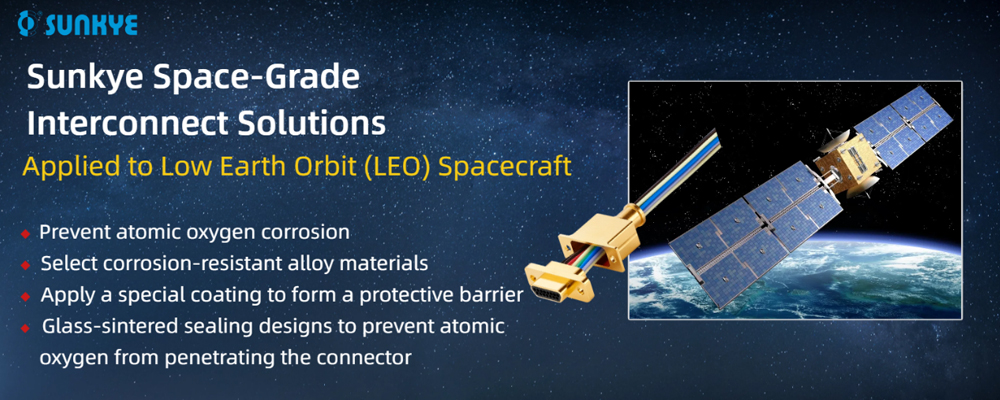
Sunkye Space Connectors Play a Critical Role in Resisting Atomic Oxygen (ATOX) Degradation in Low Earth Orbit (LEO) Spacecraft.
Survival in the harsh environment of Low Earth Orbit (LEO) requires spacecraft components to withstand extreme conditions, including ultraviolet (UV) radiation, thermal cycling, micrometeoroid impacts, and atomic oxygen (ATOX) erosion. Among these challenges, ATOX is a highly active substance that poses a significant threat to polymers and metallic materials.
What is Atomic Oxygen (ATOX) Corrosion?
The one corrosion type that is usually not found on the ground is corrosion by atomic oxygen (ATOX). ATOX is considered one of the most serious hazards to spacecraft materials and is present at altitudes between 200 and 700 km. ATOX refers to the residual gas environment in the form of atomic oxygen in low Earth orbit, which is formed by the interaction between ultraviolet light in sunlight and oxygen molecules and their decomposition. The interaction between atomic oxygen and spacecraft can cause erosion and aging of spacecraft structural materials, damage spacecraft thermal control coatings, and seriously endanger the reliable operation of spacecraft.
Why are Connectors Important for Spacecraft to Resist Atomic Oxygen Corrosion?
In the design and manufacture of spacecraft, connectors are key components that connect various electronic components and systems. Connectors not only make electrical connections, but also provide mechanical support and enable signal transmission, ensuring smooth transmission of power and data inside the spacecraft, and supporting navigation, communication, scientific experiments and other critical systems. The ability of connectors to resist atomic oxygen corrosion directly affects the reliability and longevity of spacecraft.
How Can Sunkye Connectors Effectively Resist ATOX Corrosion?
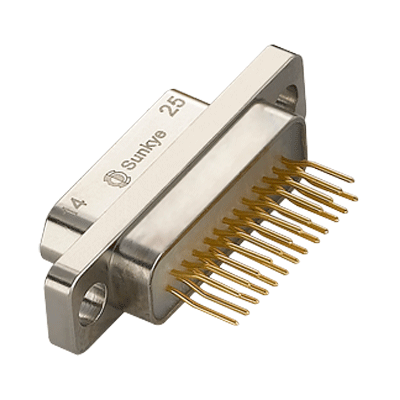
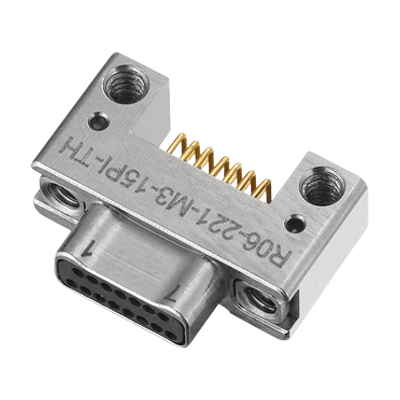
Connectors are essential for power transmission, data communication and system integration, and must maintain structural integrity and electrical performance even when exposed to ATOX for a long time. SUNKYE Connectors have been committed to this. To effectively resist atomic oxygen corrosion, Sunkye connectors focus on the design and material selection.
Material Selection: Sunkye Connectors use corrosion-resistant alloy materials such as stainless steel, aluminum alloys, or titanium. These materials are less susceptible to oxidation and degradation when exposed to atomic oxygen. As well as using fluoropolymers, materials such as polytetrafluoroethylene (PTFE) and fluorinated ethylene propylene (FEP) are inherently resistant to ATOX due to their strong carbon-fluorine bonds.
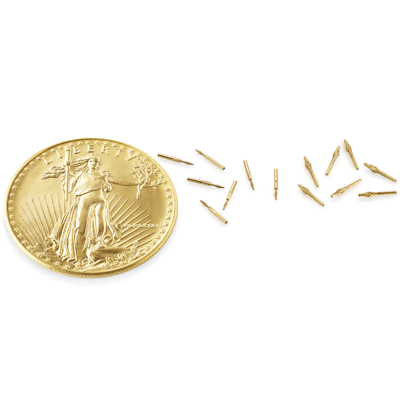
Surface Coatings: Sunkye connectors apply a special coating to form a protective barrier that reduces direct contact between atomic oxygen and the connector substrate. The connector shell is gold-plated, which is very corrosion-resistant, reflects a wide spectrum of electromagnetic radiation, is not affected by absorbed radiation, and is an excellent conductor.
Sealed Design: In addition to designing connectors with seals or gaskets, Sunkye connectors also use glass-sintered sealing designs and ceramic insulators to prevent atomic oxygen from penetrating the connector, further reducing the risk of corrosion.

 English
  日本語
日本語  한국어
한국어  français
  Deutsch
  Español
  italiano
  русский
  Türkçe
  Svenska
  Nederland
  فارسی
فارسی فارسی
فارسی