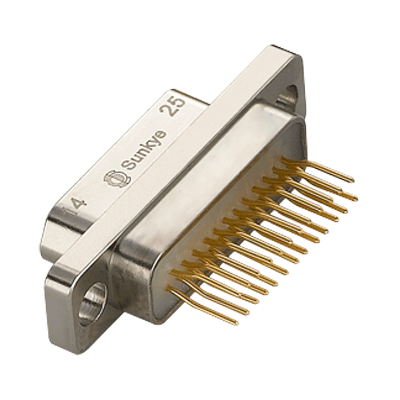
MIL-DTL-83513 Micro D Connectors
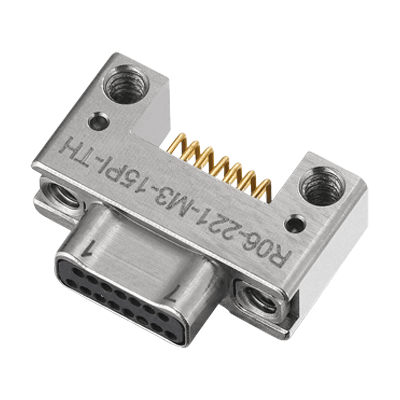
MIL-DTL-32139 Nano D Connectors
Discover more applications using Sunkye Connectors' solutions

Managing Pressure, Thermal Cycling, and Long-Term Seal Reliability
As oil and gas exploration continues moving toward ultra-deep wells, complex formations, and deepwater extended-reach drilling, the demand for real-time borehole deformation monitoring is increasing rapidly. Downhole imaging tools such as 4D Caliper systems are becoming increasingly important in these environments.
At the same time, downhole electronics must operate continuously under extreme conditions, including:
•Pressures exceeding 14,500 psi (100 MPa)
•High axial and lateral vibration
•Torsional oscillation and rotational loading
•Thermal cycling
•Oil-based mud (OBM) and corrosive media exposure
Under these conditions, the hermetic feedthrough positioned between high-pressure well fluids and the atmospheric-pressure electronics chamber is no longer just a conventional connector.
It becomes a critical pressure-boundary structure responsible for:
•Pressure isolation
•Electrical transmission
•Environmental sealing
•Mechanical support
The long-term reliability of this interface directly impacts the operational stability of the entire downhole tool.
Common Failure Challenges in HPHT Environments
Due to severe space limitations inside downhole tools, feedthrough structures are often required to withstand extreme pressure differentials within very limited geometries.
Under combined pressure loading and dynamic vibration, even micron-level elastic deformation may transfer cyclic stress into downstream electronic assemblies, potentially resulting in:
•Solder fatigue
•Contact resistance drift
•Localized PCB stress concentration
•Long-term interface reliability degradation
For HPHT feedthrough systems, structural stability is therefore directly linked to electrical reliability.
If microscopic defects exist within glass or ceramic sealing interfaces, pressure cycling and thermal fluctuation may gradually introduce media permeation and ionic contamination.
As insulation resistance degrades over time, the risk of crosstalk between densely packed signal pins increases significantly.
For weak analog signal acquisition systems, long-term insulation degradation may further affect:
•Signal integrity
•Noise performance
•Analog measurement stability
Downhole exposure to H₂S, CO₂, and chloride-rich environments continuously increases the risk of corrosion and hydrogen-related material damage.
In highly stressed regions, improper material selection may lead to:
•Sulfide Stress Cracking (SSC)
•Hydrogen Embrittlement
•Stress Corrosion Cracking (SCC)
As a result, HPHT feedthrough base materials must balance:
•High mechanical strength
•Non-magnetic properties
•Corrosion resistance
•Resistance to hydrogen-assisted damage
•Engineering Approaches for HPHT Feedthrough Design
•Stepped Structural Geometry
Compared with conventional flat structures, stepped feedthrough geometries help optimize pressure load distribution and reduce central deflection under high differential pressure.
Combined with rigid support features and finite element optimization, this approach improves:
•Fatigue resistance
•Vibration stability
•Long-term pressure cycling reliability
•Compression Seal and CTE Matching
Compression seal architecture remains one of the most reliable sealing approaches in hermetic feedthrough design.
By carefully matching the coefficients of thermal expansion (CTE) between:
•Metallic housing materials
•Low-expansion pin alloys
•Glass or ceramic insulation systems
Residual compressive stress can be intentionally generated during the sealing process.
This helps suppress:
•Microcrack initiation
•Thermal fatigue propagation
•Vibration-induced interface degradation
•During long-term HPHT operation.
•High-Reliability Material Systems
Typical material systems for HPHT and sour-service feedthrough applications include:
•Inconel 718
•MP35N
•Nickel-based corrosion-resistant alloys
•Low-expansion nickel-iron pin materials
•High-reliability glass or ceramic insulation systems
While also meeting:
•High-strength requirements
•NACE MR0175 / ISO 15156 compatibility
•Non-magnetic performance requirements
•Particularly for near-bit measurement and directional drilling systems.
•Importance of Reliability Validation
For HPHT hermetic feedthroughs, conventional hydrostatic testing alone is often insufficient to evaluate long-term field reliability.
Qualification testing typically includes:
•Helium Leak Testing
•Thermal-Pressure Cycling
•Shock & Vibration Testing
•Long-term insulation stability evaluation
Among these methods, high-sensitivity helium leak testing is critical for verifying long-term micro-leakage control capability, while combined thermal-pressure cycling more accurately simulates real downhole operating conditions.
Supporting the Next Generation of Extreme Environment Electronics
As the industry continues advancing toward:
•Ultra-deep oil and gas development
•200°C geothermal systems
•Long-duration CCUS monitoring
•High-temperature downhole electronics
Hermetic feedthroughs are evolving from conventional interconnect components into critical infrastructure for extreme-environment electronic systems.
At SUNKYE, HPHT hermetic feedthrough engineering is approached not simply as an interconnect problem, but as a long-term pressure-boundary reliability challenge under combined temperature, pressure, and vibration conditions.

Sunkye Connection Technologies provides a wide product portfolio with a complete interconnect solutions offering. Sunkye connectors and cables assemblies are complementary with Sunkye backshells and conduits.
Sep 08, 2022
How Does Environment Temperature Affect Connectors?
Nov 06, 2019
Connector Classification
Sep 13, 2020
Fusion of Connectors and Sensors
Aug 19, 2026
Inflow Control Valve Reliability in HPHT Wells
Nov 09, 2019
Introduction To Connector Knowledge
Oct 20, 2020
The Failure Mechanism of Connectors
Jul 17, 2020
Sunkye Market Matrix
Jan 31, 2020
The Development Of D-sub Connectors
Jul 12, 2020
Introduction to the Connector
Sep 14, 2019
Miniaturization Trend of Mil Connectors
Apr 28, 2020
How to Detect Medical Connectors
Nov 23, 2022
Hermetic Connectors for Implantable Medical Devices
Apr 04, 2020
The Material of the Connector
May 31, 2019
Sunkye Super Pin Connector
Dec 14, 2019
Naming Of Connectors
Feb 07, 2020
The Rapidly Growing Market For Medical Connectors
Dec 29, 2019
Material Of Automotive Connectors
Sep 23, 2026
How the Space Environment Shapes Connector Materials
Jan 11, 2021
How to Select Connectors for Hardware Design
May 31, 2019
Everything You Need to Know: Type C
Nov 02, 2021
MEET SUNKYE AT SAHA EXPO 2021 FAIR!
Aug 04, 2026
Why Contact Stability Matters in Subsea Connectors
Nov 17, 2020
Selection Factors for SMA Connectors
Sep 04, 2019
Market Profile of Micro PCB Connectors
Dec 26, 2019
How To Classify Industrial Connectors
Apr 13, 2020
Why is a Poor Connector Prone to Fire?
Oct 30, 2019
D Sub Connector Introduction
Dec 08, 2020
Some Knowledge about RJ45 Connector
Sep 12, 2019
Reliable Connectors Are the Secret of UAV Success
Dec 01, 2021
Connectors' Revolution of 1000km off The Earth
May 31, 2019
TWIST PIN: THE LIGHTSPOT OF SUNKYE
Sep 20, 2019
Strictness of Military/Aerospace Specifications
Feb 10, 2020
The Function And Prospect Of Medical Connector
Jul 15, 2020
Classification of Connectors
Jul 21, 2020
What is a Military Specification Circular Connector?
Nov 17, 2022
Robotic Arm Works 7*24 in Manufacturing
Dec 08, 2019
Connection Methods Of The Connector
May 31, 2019
Sunkye Type C 10Gbps Test on April
Aug 15, 2023
Extreme Conditions Bring up Hermetic Connectors
Jan 07, 2020
The Performance Of Automobile Connector
Jul 03, 2020
Manual Assembly of Connectors (1)
Jan 04, 2021
The Structure and Material of Connectors
Jul 08, 2021
Structural Analysis of Aerospace Connector
Mar 20, 2020
Connector Quality Test Type
Aug 09, 2021
What Are High Density Connectors?
Dec 22, 2020
The Transient Interruption Detection of Connectors
Sep 28, 2019
Development Trend of Miniature Connectors Technology
May 31, 2019
Sunkye Will Postpone the Release of USB 3.1 Type C
Sep 24, 2019
Notes for Welding D Type Connector
Oct 31, 2019
The Introduction Of SMT
Aug 03, 2019
Connector D Type
Jan 22, 2020
Differences Between Connector And Terminal
Feb 25, 2020
How to Choose the Right Medical Connector
Apr 07, 2020
Market Status of Miniature Connectors
Jun 05, 2026
The Gap between Testing and Real-World Use
Jul 15, 2026
Why Pressure Cycling Causes Subsea Connector Failure
Sep 26, 2019
Market Status of Micro Miniature Connectors
Nov 03, 2020
The Guide for Selecting Electrical Connectors
Nov 05, 2019
Wearable Connectors Tend to be Miniaturization
May 31, 2019
Sunkye at Expo Electronica 2014, Moscow
Jan 25, 2021
The Analysis of Connector Electroplating Problems
Oct 02, 2023
MEET SUNKYE AT ADIPEC 2023 FAIR
Jan 19, 2020
Brief Introduction Of Flat Cable Connector
Aug 19, 2024
Can a Connector Withstand Temperatures Up to 500°C?
Nov 01, 2021
Meet Sunkye at SEDEC 2020 Fair!
Jul 09, 2020
The Importance of Connectors in Medical Equipment
Jan 13, 2020
Overall Performance Parameters Of Connector
Sep 18, 2019
Definition of Mil Standard Connector
Mar 29, 2020
Demand for Heavy Truck Connectors Increases
Nov 14, 2019
How To Choose The Right Connector
Sep 08, 2019
What are Avionics Connectors?
Jan 16, 2020
Brief Introduction Of Strip Connector
Jan 23, 2026
Building the Backbone of Deep Sea Sensing
Sep 06, 2019
Polytetrafluoroethylene-PTFE
Oct 13, 2020
Various Coaxial Connectors
Dec 02, 2019
Basic Structural Member Of Connector
Nov 04, 2019
How Military Connectors Work
Sep 28, 2021
Correct Use and Safety of Avionics Connectors
Aug 12, 2026
MEET SUNKYE AT ONS 2026
Nov 08, 2019
Miniaturization Development Technology Of Connector
Feb 19, 2020
Reliability of Aerospace Electrical Connectors
Oct 07, 2020
How to Distinguish FFC Connector and FPC Connector
Nov 29, 2019
Importance Of Connectors
Oct 10, 2019
Types and Advantages of D-sub Connectors
Dec 23, 2019
Technical Principles Of Connectors
Mar 08, 2020
Sunkye: Safety, Innovation, Reliability
Jan 03, 2024
Connector — A Big Player in Your Supply Chain
May 13, 2020
Reliability of Aerospace Electrical Connectors (2)
Jun 15, 2020
7 Tips for Connector Design (2)
Aug 07, 2019
A Revolution in Connector Technology
Jun 01, 2021
Functions and Advantages of Electrical Connectors
Nov 10, 2019
The Future Trend Of Automobile Connector
Apr 22, 2020
Production Process of Connector Contacts
Jan 04, 2023
Four Connection Methods of Circular Connectors
Jul 06, 2020
Manual Assembly of Connectors (2)
Dec 22, 2024
Specialty Gas Connectors for Niche Applications
Sep 25, 2020
Related Knowledge of SMA RF Connector
Nov 10, 2020
The Manufacturing Process of Electronic Connectors
Dec 01, 2020
How to Improve the Reliability of RF Connectors
Nov 11, 2019
Brief Introduction Of Automobile Connector
May 31, 2019
SUNKYE will Release Type C Project on October
Aug 02, 2021
Introduction to Vehicle Connectors
Oct 25, 2024
Harnessing Wind Energy: Sustainable Power Solutions
Nov 10, 2020
Applications and Characteristics of BNC Connectors
Dec 18, 2025
How to Survive During the Low Earth Orbit (LEO)?
Jan 28, 2020
The Connector Industry Is Booming
Sep 02, 2019
Four Processes of Producing Connectors
Feb 13, 2020
Connection Between Brain And Machine
Nov 12, 2019
Production Technology of Connector
Feb 08, 2021
Four Attention Points in Using Power Connectors
Jan 01, 2020
Development Trend Of Automobile Connector In China
Jun 24, 2020
Application of Military Electrical Connectors (3)
Apr 25, 2020
The Second Generation Circular Military Connector
Sep 19, 2020
The Necessity of Waterproof Connectors
Jan 25, 2020
Four Types Of Industrial Electrical Connectors
Aug 01, 2022
Connectors Make Sensors Work Well on Equipment
Jul 18, 2020
The Basic Structure of the Connector
Nov 01, 2019
Five Common Features of USB Connector
May 10, 2020
Reliability of Aerospace Electrical Connectors (1)
Jul 30, 2019
Market Status of Micro Connectors
May 31, 2019
Features of Type C
Oct 13, 2023
Several Design Ideas for Electronic Connectors
Oct 18, 2022
Hermetic Connectors for Implantable Medical Devices
Nov 24, 2019
The Connector Applications Are Everywhere
Nov 17, 2023
Future Development Trends of Circular Connectors
Feb 15, 2021
The Power Capacity of RF Coaxial Connectors
Jan 18, 2021
Knowledge of FPC Connectors
May 04, 2020
Automotive Connectors
Apr 01, 2020
Connectors for Special Applications
Sep 21, 2021
Connection Mode and Purchase of Aerospace Connector
Nov 03, 2019
Some Solutions For Poor Terminal Pressing
Jun 25, 2019
Sunkye Super Pin Datasheet
Nov 15, 2019
How To Make High-Quality Connector
Jun 27, 2020
Crimping and Welding of Military Connectors
Oct 01, 2020
Structure and Material of Waterproof Connector
Dec 17, 2019
Interconnection Level Of Connector
Aug 02, 2020
Electrical Performance of Connector
Jun 21, 2020
Application of Military Electrical Connectors (2)
Oct 13, 2020
Selection Factors of RF Connectors
Jun 18, 2020
Application of Military Electrical Connectors (1)
Jul 17, 2024
MEET SUNKYE AT ONS 2024
Jun 12, 2020
7 Tips for Connector Design (1)
Oct 06, 2019
How Military Spec Connectors Work
Aug 09, 2019
Development of Micro Connector
Oct 06, 2020
Description of Pogo Pin Connectors
Oct 19, 2021
Subsea Connector needs a new revolution
Mar 25, 2026
MEET SUNKYE AT NEFTEGAZ 2026
Dec 05, 2019
Disassembly Tools For Automotive Connectors
Jun 06, 2019
Alloy 52 UNS N14052 Material Report
May 27, 2021
The Importance of Connectors in Electrical Equipment
Dec 11, 2019
The Main Classification Of Crimp Connection
GET IN TOUCH
MIL-DTL-32139 Nano D Connectors
English
日本語
한국어
français
Deutsch
Español
italiano
русский
Türkçe
Svenska
Nederland